
THE DUAL ENERGY JOURNAL / BYD SONG PRO
New & used
BYD Song Pro DM-i prices.
For daily charging and longer journeys.
Source the right plug-in hybrid with Panda.
Reference buying range
US$9,000–10,000The actual vehicle and written service scope determine your final quotation.
Discuss a used Song Pro ↗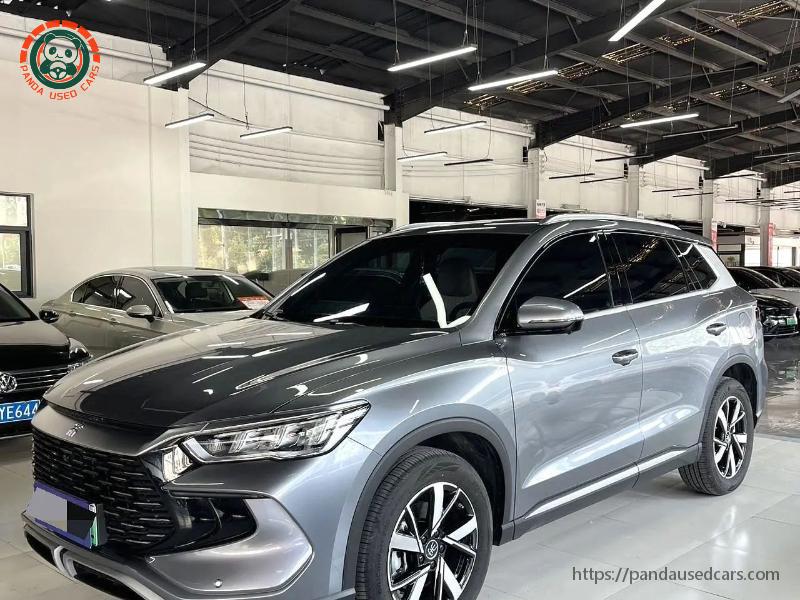
Used reference published 2 November 2026. Library photographs do not establish current stock, price applicability or inspection results. Freight, taxes and destination charges require separate confirmation. New-car prices are quoted separately.
START WITH YOUR ROUTINE
One DM-i.
Different ways to use it.
Regular external charging
Assess the electrical supply, your route and the selected car's usable electric capability.
Plan your daily energy use →Limited charging access
Hybrid operation remains relevant. Compare the exact car's fuel use and your operating costs.
Understand the difference →01 / THE PLUG-IN HYBRID SUV
Meet the Song Pro DM-i.
The BYD Song Pro DM-i combines a petrol engine, electric drive and a rechargeable traction battery. It is a plug-in hybrid, with a different operating routine from a petrol-only SUV or a battery-electric car.
Start with the job the vehicle must do.
Describe the normal commute, the longest regular journey, passenger load and where the car will park. Include road speed, climate-control use and the charging time available between trips. These details help establish whether the proposed version suits your use; a headline range figure cannot answer that on its own.
A driver with dependable charging at home or work may be able to make more journeys using stored electrical energy. A driver with limited charging access will use a different balance of petrol and electricity. Compare the whole routine, including charging tariffs, installation, parking, fuel and downtime, rather than assuming every plug-in hybrid produces the same saving.
Keep the model identity clear.
Song Pro DM-i is the vehicle requested here. Do not replace its specification with that of Song Plus DM-i, a petrol-only Song Pro, DM-p or another regional BYD model. Similar names and body styling do not establish matching powertrain, battery or equipment.
Tell Panda which requirements are essential and which are flexible. The version record, condition file and complete quotation should support the decision together. If you are comparing another model, request a separate proposal with its own specification and price.
02 / IDENTIFY THE PROPOSAL
The exact version comes before the comparison.
A Song Pro DM-i badge is a starting point. Identify the individual vehicle and the matching market specification before comparing battery, charging or equipment claims.
Ask for the VIN, production labels, registration documents and a precise description of the offered car. Keep production date separate from first registration. Match the listing with current photographs, battery and charging identification, and the relevant vehicle information. Resolve inconsistencies before accepting a substitute or making a purchase decision.
| Record | What to establish |
|---|---|
| Vehicle identity | VIN, production information, market, registration status and declared history. |
| Hybrid hardware | Engine, installed battery, charging interfaces and any documented replacement. |
| Equipment | Working fitted features, keys, cables, accessories and modifications. |
| Evidence | Matching documents, inspection findings and unresolved questions. |
Battery options, charging capability, multimedia functions and driver assistance can differ by production version, trim and market. An overseas brochure helps explain that market's model; it does not prove the specification of a China-market used car. A newer model's features should not be assigned to an earlier vehicle because the name is familiar.
The US$9,000–10,000 reference concerns used Song Pro DM-i sourcing. New cars require separate confirmation of the requested specification, availability and registration status. State year, mileage and equipment preferences in your enquiry, then compare the written quotation scope alongside the vehicle details.
03 / TWO ENERGY SOURCES
Understand how petrol and charging fit your journeys.
DM-i manages the engine and electric system according to operating conditions. The engine can contribute through generation and a mechanical drive path, rather than serving only as a generator.
Plan charging around your journeys.
External charging replenishes stored electrical energy for driving. Petrol operation and hybrid energy management provide flexibility when regular charging is unavailable, subject to the vehicle being serviceable and fuel being available. However, a lower operating charge level changes the energy balance; it does not reproduce the consumption result obtained with a charged battery.
The engine may run for reasons beyond road speed, including system demand, battery conditions and cabin heating or cooling requirements. Ask for normal operation to be explained during the handover. Quiet low-speed movement or an engine starting while stationary should be assessed in context, with diagnostic and road-test evidence where a fault is suspected.
Regular external charging
Assess the charging window, equipment, tariff and journey reserve. Record electricity as well as petrol when comparing costs.
Limited charging access
Compare fuel use on the relevant charge-sustaining basis, with realistic route and load assumptions. Do not use a charged-battery headline as the forecast.
Keep different range and economy measures separate.
Electric-only test-cycle range, combined petrol-and-electric range, dashboard estimates and a measured journey are different results. Fuel consumption reported with a charged battery also differs from charge-sustaining fuel use. Retain the market, version, test method and conditions with every number you compare. Temperature, speed, tyres, load and battery condition affect actual operation.
For a used car, combine these questions with engine, battery and charging inspection. A short demonstration cannot establish every aspect of usable battery energy or future running cost.
04 / YOUR CHARGING ARRANGEMENT
Check the car and charger as a complete combination.
Confirm the selected vehicle's charging interfaces and capability. AC charging, DC charging where fitted, and external power-supply functions must not be assumed identical across Song Pro DM-i versions.
Match the actual installation and equipment.
Request inlet photographs, charging labels and the appropriate vehicle documents. For a China-market car with GB/T equipment, assess that exact configuration against the destination supply and charging equipment. A qualified installer should check voltage, frequency, phase, current limits, protection and installation requirements.
The onboard charger and vehicle limits matter alongside the station's advertised output. Establish which cable, portable equipment or fixed charger is included, and whether the intended network permits the proposed arrangement. Physical plug fit alone does not establish electrical or communication compatibility; a simple adapter is not a universal solution.
Verify each function you intend to use.
Do not assume every used Song Pro DM-i supports DC charging. If that function is required, confirm it on the actual version and obtain an operating test. Likewise, any vehicle-to-load function, adapter or external power capability needs matching equipment and instructions; it is not established by a badge or another model's demonstration.
A useful charging record identifies the car, equipment, starting charge level, relevant temperatures, observed operation and any faults. Demonstrate starting, stopping and unlocking the session, then clarify which functions depend on an account or network. Include your destination and intended charger types in the enquiry, and review local workshop support before budgeting for a conversion or additional equipment.
05 / PASSENGERS AND EQUIPMENT
Choose the cabin around its everyday use.
Seat comfort, luggage access and working controls deserve the same attention as the powertrain. Confirm features on the proposed vehicle rather than extending one trim's equipment list to every Song Pro DM-i.
Ask for front and rear seating photographs, luggage-area views and the actual rear-seat arrangement. Describe child-seat needs, regular business passengers or equipment carried for work. If a specific item must fit, request measurements on the selected car. A broad exterior dimension does not establish usable loading space.
Test comfort and technology in operation.
Check air conditioning, windows, mirrors, locks, seat adjustment, lighting and charging-port controls. Verify screen language, phone pairing, cameras and parking functions. Distinguish factory equipment from aftermarket changes and ask whether a replacement screen or accessory affects controls you need.
For driver-assistance equipment that is fitted, confirm the actual functions, their operation and any relevant repair or calibration records. An equipment name is not a promise of autonomous driving or proof of correct operation after a repair.
Agree the supplied keys, cables and accessories in the handover file. Test essential access and driving functions using the proposed physical keys and intended offline workflow. Account transfer, remote controls, navigation and online updates need separate verification for the next owner and destination. Add any must-have function to your vehicle brief before comparing offers.
LOOK BEYOND THE PHOTOGRAPH
The car you buy
needs its own file.
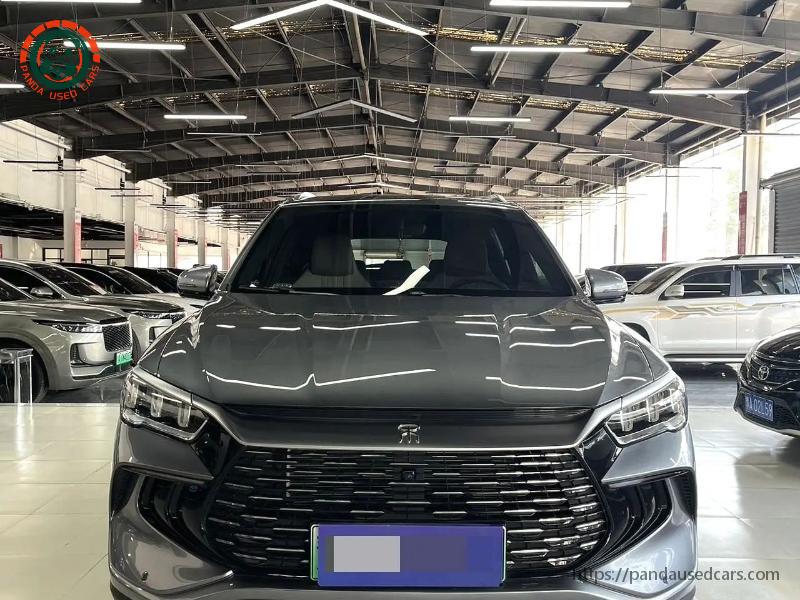
Body condition, installed equipment, hybrid-system history and the charging test belong to the individual vehicle. A reference photo answers a different question.
Build the inspection request ↗06 / THE CONDITION FILE
Inspect both sides of the plug-in hybrid.
A used Song Pro DM-i needs an assessment of its petrol and electrical systems, together with the body, history and everyday functions.
Connect the evidence to the individual car.
Match the VIN, production labels and registration records to the proposed specification. Compare mileage with service entries, historical records and cabin wear. Request dated exterior, under-bonnet, cabin and underbody photographs, including the battery enclosure and mounting areas. Structural repairs, impacts, water exposure or unexplained corrosion need an inspector's assessment, not a conclusion drawn from polished exterior photographs.
- Petrol system: review engine starts, service history, leaks, cooling observations and relevant fuel-system findings.
- Electrical system: identify the installed battery, accessible diagnostic faults, test method, charging behaviour and any repair or replacement record.
- Whole vehicle: check brakes, steering, suspension, tyres, air conditioning, locks, screens, keys and fitted safety equipment.
Test driving and charging separately.
Ask for road-test conditions, warnings and unusual noise or vibration to be recorded. Combine those observations with a hybrid-system scan and an AC charging test; test DC charging separately where the selected version supports it. A dashboard charge graphic is not a battery-health certificate. A state-of-health figure needs a method, date and operating context, with the 12V battery assessed separately.
Keep the diagnostic report with its test conditions and explain whether faults were present before any clearing or reset. Where further testing is needed, agree a follow-up scan and operating check. Ask the inspector to distinguish an observation from a confirmed cause; a short video of an engine starting or an isolated warning screenshot cannot establish the complete hybrid-system condition.
Use qualified high-voltage personnel for relevant inspection and repairs. Keep a report for each VIN in a multi-car order and list unresolved findings, preparation work and acceptance criteria. New-car sourcing instead requires matching specification, production and registration status, storage condition and agreed pre-delivery checks.
07 / OWNERSHIP SUPPORT
Plan maintenance around the exact DM-i.
Identify the car before choosing parts, service information or warranty assumptions. The Song Pro name alone does not establish compatibility.
Give your receiving workshop the VIN, powertrain and battery details, inspection report and maintenance records. Establish access to appropriate hybrid diagnostics and the relevant service information. Use the schedule and fluid specifications for that vehicle rather than a generic petrol Song Pro recommendation or another market's interval.
Confirm parts by VIN and part number, including charging components, electronic modules, cooling parts and routine consumables. A component advertised for Song Plus or another Song Pro powertrain is not automatically suitable. Ask who can perform any required coding, calibration or high-voltage work and what records the workshop needs before arrival.
Build the first-service allowance from evidence: work recorded as complete, items due under the appropriate schedule and repairs still awaiting diagnosis. Include tyres, brakes, cooling-system condition, filters, fluids and the low-voltage battery where the inspection identifies a need. Do not assume a vehicle with low displayed mileage has received every time-based service, or that new tyres resolve the cause of uneven wear.
Verify functions and written service terms.
Check screen languages, phone pairing, account transfer and the connected functions you need in your destination. Demonstrate essential access and driving functions using the supplied keys and intended offline workflow. Historical feature descriptions do not establish regional app, map or update availability.
If warranty affects the purchase, obtain the named provider's written coverage, territory, exclusions and claims process. Separate manufacturer terms from any seller or independent service arrangement. Agree initial maintenance and unresolved inspection work in the quotation, with completion evidence for repairs you require before acceptance.
08 / THE QUOTATION
Define what US$9,000–10,000 refers to.
This is the used Song Pro DM-i reference range. An individual car, its condition and the agreed services determine the actual quotation.
| Purchase route | What to establish |
|---|---|
| Used DM-i | Actual version, history, battery evidence, equipment and required preparation. |
| New Song Pro DM-i | Requested specification, production version, registration status and availability; separate pricing. |
| Delivery | Included China-side services, freight, insurance and destination responsibilities. |
The reference is neither a stock commitment nor a delivered-price offer. Ask whether inspection, preparation, inland transport and export handling are included. Freight, insurance, duties, taxes, port charges, clearance and registration need their own confirmation. Request the quotation date, validity, currency and payment stages.
Compare like-for-like scope before choosing a lower number. Battery specification, repair needs, missing accessories or weaker records can change the ownership budget. Organise quoted amounts in the per-vehicle cost worksheet, avoiding double counting included services, then send your priorities in your enquiry.
09 / THE PURCHASE WORKSHEET
Build a budget with a clear scope.
Work on a one-vehicle basis. Enter amounts you have been quoted and allocate shared shipment charges per vehicle. This worksheet adds your entries; it does not produce freight rates or tax assessments.
Vehicle allowance only. Three other cost categories have not been entered.
Blank means unknown, not free. Avoid adding an included charge twice and convert every amount to USD on a consistent basis. Allow separately for local charging equipment and any service work you need.
This is your planning subtotal, not a verified landed price. Cost entries are shared only when added to your enquiry and submitted.
10 / YOUR SONG PRO DM-i ENQUIRY
Match the car
to your requirements.
Tell us your destination, budget and the equipment or evidence that matters. Panda can discuss new or used Song Pro DM-i sourcing and a vehicle-specific quotation with clearly agreed services.
11 / THE DELIVERY PLAN
Match the car, paperwork and destination.
Confirm import suitability and a workable ownership plan before committing. Export preparation alone does not establish registration eligibility abroad.
Check eligibility with your broker.
Provide the exact vehicle details to a qualified destination broker. Confirm age, registration, steering position, conformity, emissions and applicable plug-in hybrid requirements. Check the intended registration category, required documents and the charging arrangement.
Agree acceptance and responsibility.
Record the VIN or specification, quantity, condition, price, payment stages and acceptance process. Identify who arranges inspection, preparation, export handling, freight, insurance and clearance. Where a delivery term is used, state its named place and responsibilities.
Prepare the transport file.
Agree the invoice, vehicle records, applicable export/customs and transport documents with the relevant providers. Ask your broker about translations or certificates. Confirm carrier acceptance and its fuel, battery and preparation requirements for the selected plug-in hybrid; do not assume one transport procedure suits every condition or route.
Document the handover.
Record condition, keys, cables and accessories before loading. Review insurance limits, arrival inspection, clearance and collection. Agree how damage or missing items should be recorded and reported. Treat dates as provisional until the relevant booking is confirmed.
12 / QUICK ANSWERS
Before you request a Song Pro quotation.
The most useful enquiry separates the vehicle you want from the evidence and delivery services you need.
Is US$9,000–10,000 a new-car price?
No. It is the used Song Pro DM-i reference range. New cars are quoted separately after specification, production and registration status, availability and delivery scope are confirmed.
Must I plug it in before every journey?
No. DM-i is a plug-in hybrid that can use petrol/electric hybrid operation when the electric-only charge is reduced, subject to its normal fuel and system operating requirements. Regular external charging changes the energy-use pattern and potential running cost. Follow the selected vehicle's operating instructions and review the energy plan.
Does every Song Pro DM-i support DC charging?
Do not assume that. Confirm the actual version, charge inlets and documented capability, then test the required charging mode with compatible equipment. Another market's specification is not proof for the car being offered.
Is Song Pro DM-i interchangeable with Song Plus?
No. Identify each model and powertrain separately. Compare the actual specification and ownership requirements rather than copying Song Plus equipment, dimensions or charging information to Song Pro.
Can I choose mileage, colour and equipment?
Include preferences and firm limits in your enquiry. Suitable proposals need confirmation against the actual vehicle documents, photographs and inspection evidence before acceptance.
What should I send for a useful quotation?
Share destination country and port, quantity, new or used preference, budget, acceptable years and mileage, essential equipment and delivery scope. Include an email address or WhatsApp number for a reply.
Privacy & enquiry information How your details are used +
Selecting Send enquiry sends your name or company, chosen contact information and vehicle requirements to Panda through our enquiry service. We use these details to reply, clarify the specification and discuss the sourcing or export services you request. Relevant information may be shared with parties needed to prepare your requested quotation or service.
Optional WhatsApp and Email links open the chosen service with your message for review. You decide whether to send it there; those services process information under their own policies. Do not include passwords, payment credentials or identity-document images in an initial enquiry.
For questions, corrections or deletion requests, email info@pandausedcars.com. Information needed for an active enquiry, a transaction or applicable recordkeeping may need to be retained. This page does not load third-party analytics. Notice dated 2 November 2026.